
scroll down for English*
المقدمة
كان ده من أوائل الأعمال اللي استلمناها باسم حِنّ، وأعطانا دفعة مالية كبيرة خلّتنا نشتغل بضغط أقل طول باقي السنة.
شركة “ميثانكس” كانت بتحتفل بمرور 15 سنة على وجودها في مصر، وعايزة تُهدي شركاءها جوائز من الفضة. كان مشروع سلس، والفريق متجاوب جدًا. الملاحظات كانت بتوصلنا بسرعة، ومرجعوش في كلامهم ولا غيّروا نطاق العمل ولا مرة.
طلب العميل – ال Brief
الطلب كان مختصر: عايزين تمثال تكريمي ارتفاعه حوالي 10 سم، مستوحى من رمز “الجد (Djed) 𓊽”.
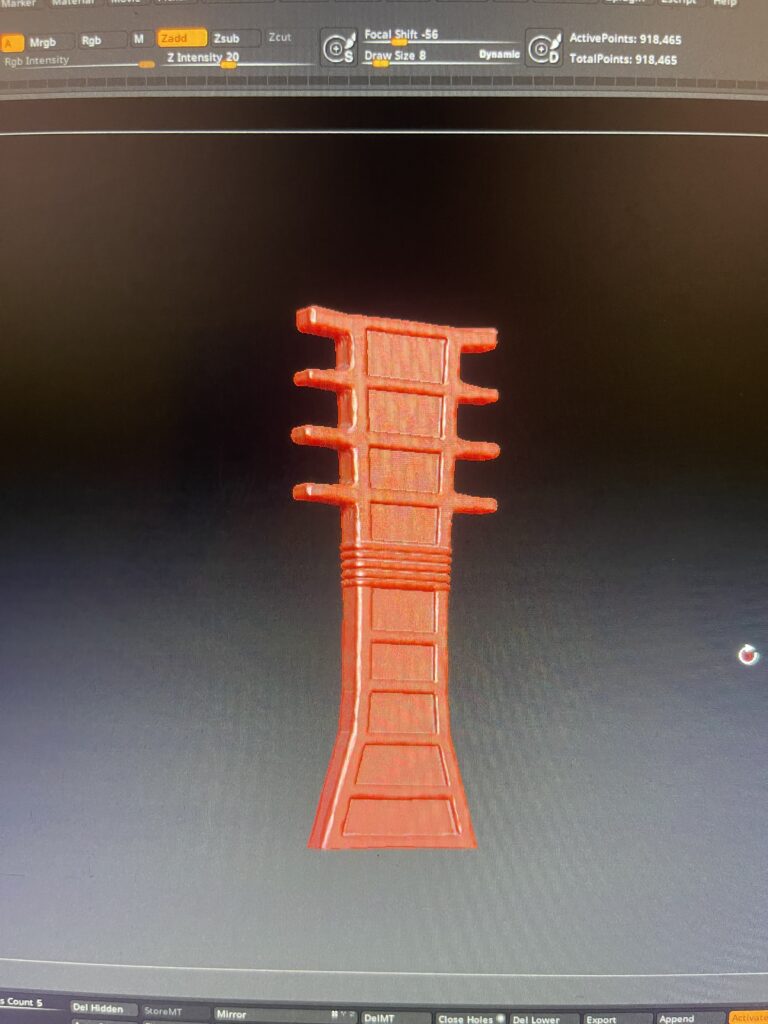
بدأت بتصميم المجسّم الأساسي (base mesh) وأخدت الموافقة عليه. أنا بستخدم Blender في تصميم أغلب المجسمات الأساسية بتاعتي. بعد كده جه دور نحت التفاصيل وتحويله لشكل مُنمّق (في ZBrush، اللي بعمل فيه أغلب أعمال النحت)، وجمعت فيه تفاصيل مختلفة من مراجع متعددة لرمز الجد.
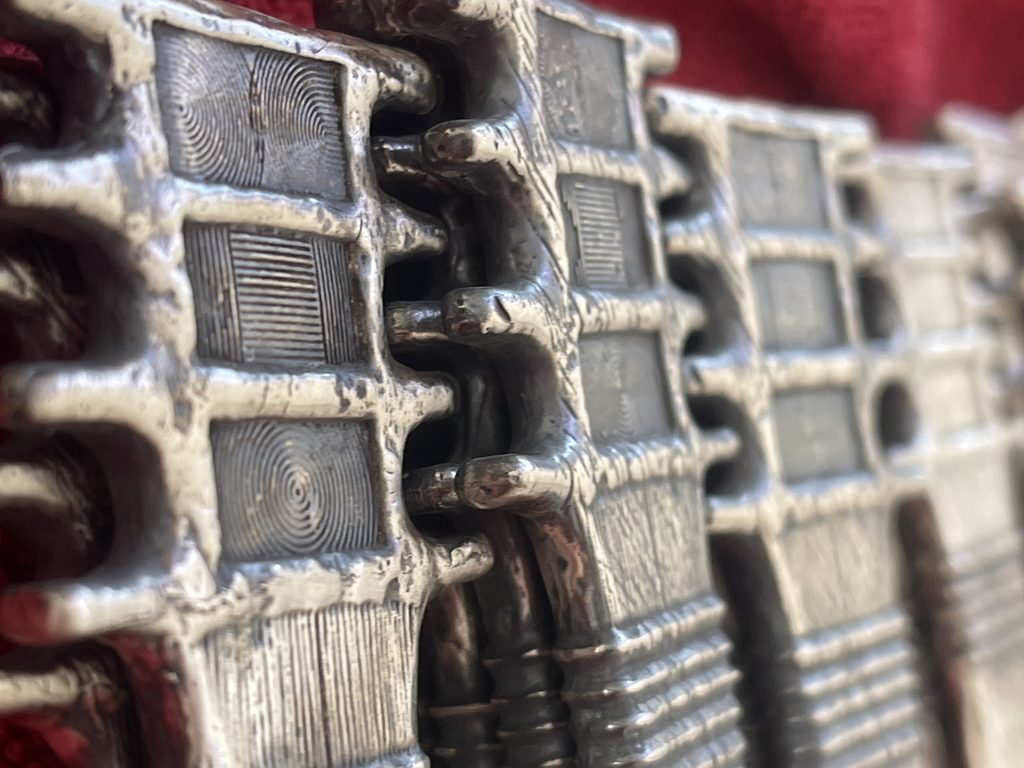
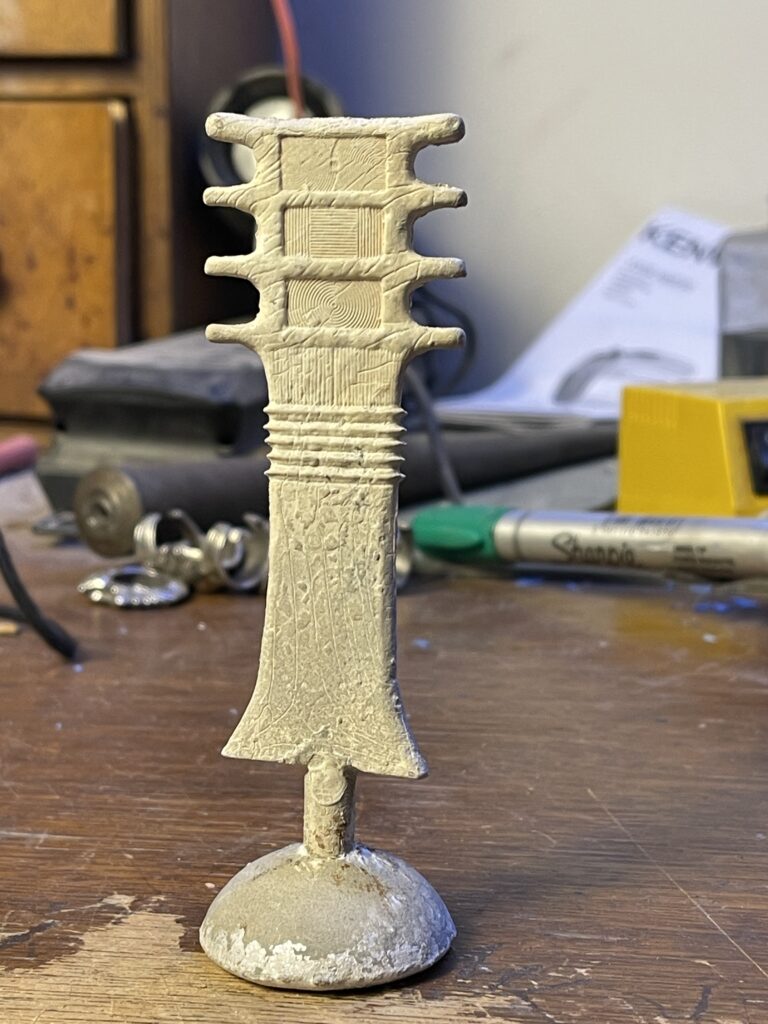
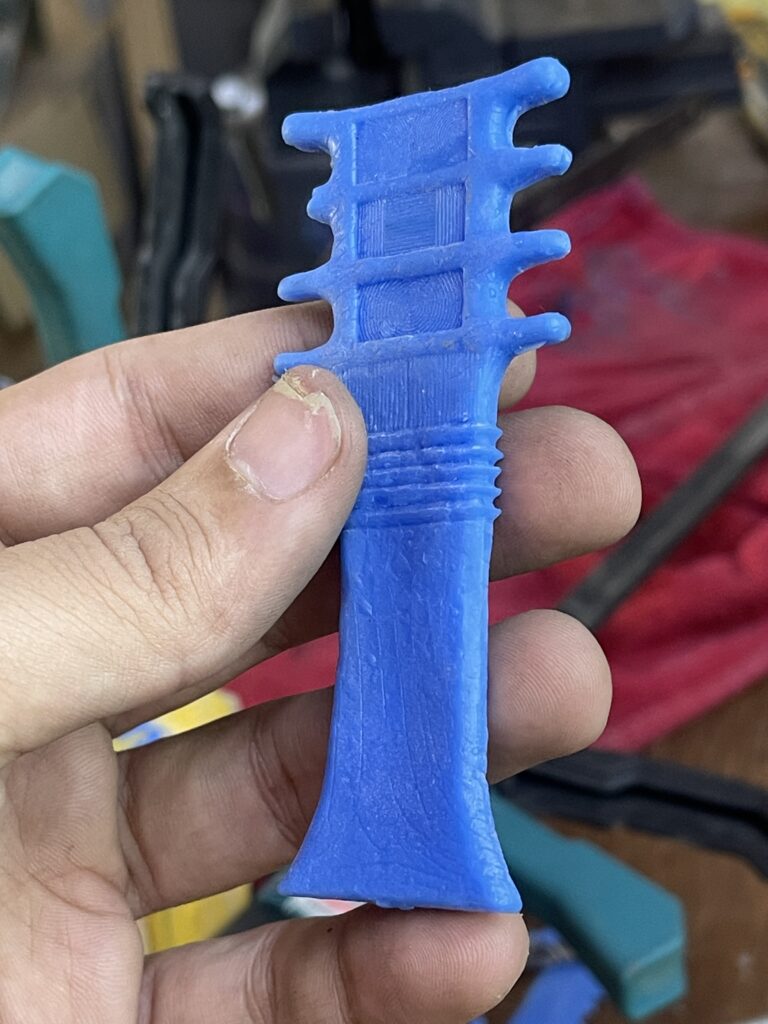
طبعت نموذج بالطباعة ثلاثية الأبعاد عشان أجرّب شكله وإحساسه في اليد، وأبدأ أفكر في شكل قاعدة الجائزة. بعد كده عملت قالب من المطاط المُفلكَن وسبكت أول قطعة بالفضة الإسترليني.
خازوق رقم واحد: إطار قالب أصغر من المطلوب
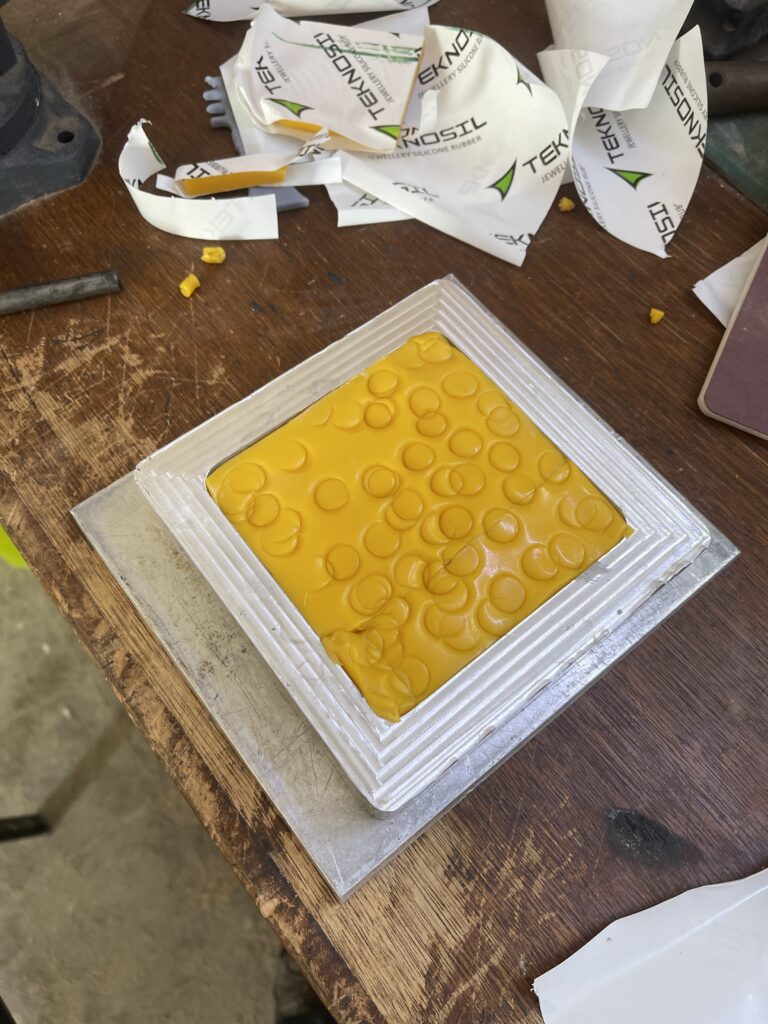
من طرق عمل نسخ شمعية لأي تصميم إنك تعمل قالب من المطاط المُفلكَن. بتحط ألواح المطاط في منتصف إطار من الألومنيوم، وبتحط الحاجة اللي عايز تعمل منها نسخ شمعية في منتصف المطاط. بعد كده بيتحط الإطار بين لوحين من المعدن، ويدخل مكبس حراري. ماكانش عندي إطار قالب كبير كفاية لعمل قالب للجائزة. اضطريت أروح ورشة التصنيع في مؤسسة التعبير الرقمي العربي (ADEF) وأشتغل مع إسلام علي (المسؤول عن المهكر هناك) على تصنيع إطار قالب (لأول مرة) من كتلة ألومنيوم كبيرة بالماكينات. كانت تجربة صعبة وصاخبة ومكلّفة في نفس الوقت، بس في الآخر خلصت على خير.
خازوق رقم اتنين: قالب أكبر، مشاكل أكتر
كل شغلي قبل كده كان بحجم الخواتم والحلقان، فظهرت مشاكل كتير مع قوالب المطاط بالحجم ده. لما المطاط ماكانش بيتضغط صح جوه الإطار، كان بينكمش بنسب مختلفة، فالنسخة الشمعية كانت بتطلع مشوّهة (خصوصًا إني كنت بستخدم نموذج مطبوع بيتشوّه وبيتكسر وقت الفلكنة، عكس المعدن). احتجت 3 محاولات عشان القالب يطلّع نسخ بشكل سليم، وحتى بعد كده كنت لازم أعدّل شكلها بإيدي بعد ما تطلع.
مشكلة تانية كانت الانكماش. الشمع كان بينكمش وهو بيسخن بنسبة وصلت لـ 5 في المية في كل اتجاه، وبشكل غير منتظم، فالقطع كانت بتطلع أرفع وأقصر من المقصود في الأول. ماقدرتش أطوّلها لأن القالب الجديد مايسعش جائزة أطول، وماكانش عندي وقت أعمل إطار قالب جديد، فعملت النموذج المطبوع أسمك عشان أعوّض الانكماش في السُمك.
لما بقت عندي النسخ الشمعية، السبك مشي بسلاسة. كانت أكبر من أي قطع سبكتها قبل كده، فاضطريت أدوّر على درجات حرارة مناسبة للصب والسبك عشان القطع ماتتشققش ولا تطلع مليانة مسامّ. كانت مشكلة، بس عمرها ما كانت تحدي كبير، لأنها احتاجت بس شوية تعديلات صغيرة وكام تجربة سبك.
الإنتاج
في المرحلة دي بقى الشغل زي المصنع: بسبك القطع، وأنهيها وأصقلها، وأبعتها للدمغ على إنها فضة عيار 92.5%، يعني فضة إسترليني. وفي نفس الوقت كنا بنشتغل على مقترحات لقاعدة الجائزة. قدّمت 3 تصميمات بأفكار مختلفة لمكان لوحات نحاسية صغيرة عليها شعار الشركة وشعار الاحتفال بمرور 15 سنة. نفّذنا واحد من التصميمات لحد النهاية (واستخدمنا ماكينة CNC في ورشة ADEF مرة تانية مع إسلام علي)، بس في الآخر قرروا يعملوا قواعد من الرخام في ورشة تانية.
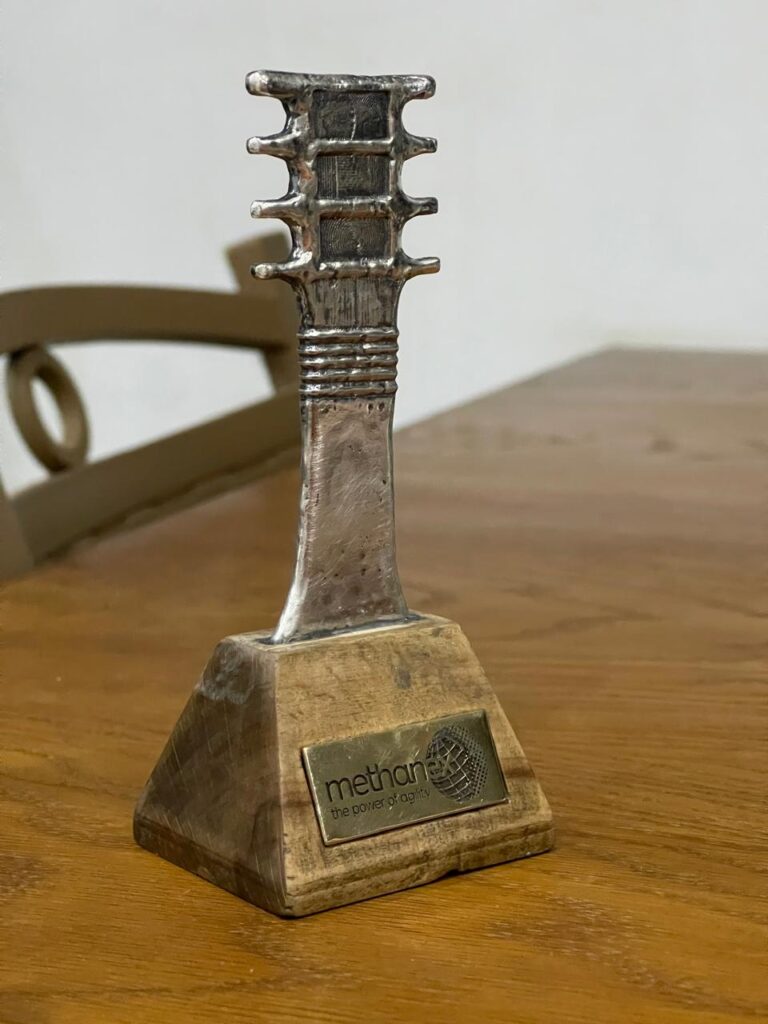
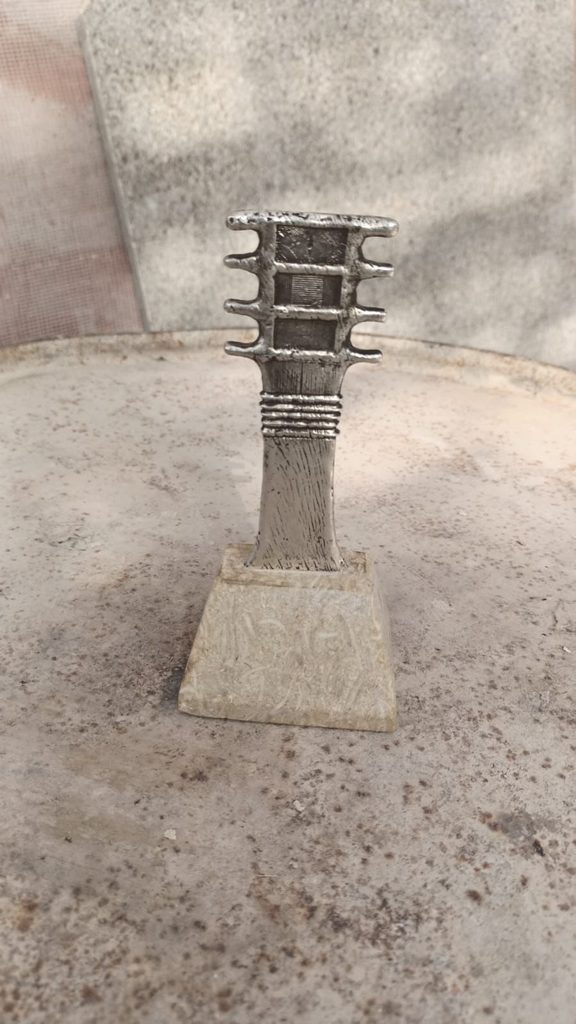
إجمالًا، المشروع خد شهرين من أول اجتماع لحد الإنتاج النهائي لـ 20 قطعة، وكانت تجربة إيجابية جدًا ومفيدة.
ENGLISH
Introduction
This was one of the first commissions we ever got as Hinnnn, and it gave us a big financial boost, enabling us to work with less stress throughout the rest of the year.
The company “Methanex” was celebrating 15 years in Egypt and wanted to present its partners with silver awards. It was a smooth project with a very responsive team. Feedback came quickly and they never backtracked or changed the scope.
Client brief
The brief was minimal: they wanted an award statue, around 10 cm tall, based on the “Djed 𓊽” symbol.
I started by designing the base mesh for the model and getting approval for it. I used Blender to design most of my base meshes. Then came sculpting the details and stylizing it (in ZBrush, where I do most of my sculpting), mixing different details from different references of the djed. The company primarily produces methanol, which is composed of carbon (C), hydrogen (H), and oxygen (O), so I integrated those letters into the patterns in the three sections of the djed.
I 3D printed a model to test how it would look and feel and to start conceptualizing what the base of the award would look like. I then made a vulcanized rubber mold and cast the first piece in sterling silver.
Challenge 1: A not big enough mold frame
One of the ways to make wax copies of any design is to make a vulcanized rubber mold. To make one, you place sheets of rubber in the middle of an aluminum frame. You place the thing you want to make wax copies of in the middle of the rubber. The frame is then placed between two sheets of metal and put in a heated pressure press. I didn’t have a mold frame big enough to make a mold of the award. I had to go to the makerspace at the Arab Digital Expression Foundation and work with Islam Ali to machine (for the first time) a mold frame out of a large block of aluminum. This proved challenging, noisy, and expensive all at once, but it worked out fine.
Challenge 2: Mo’ mold, mo’ problems
All my previous work was ring/earring-sized, so a number of issues came up with rubber molds of that size. When the rubber was not compressed correctly in the frame, it shrank at different rates, so the wax copy would come out misshapen (especially since I was using a 3D print that would distort and shatter when vulcanized, unlike metal). It took me 3 tries to get the mold to produce correctly shaped copies, and even then I would have to bend them into shape after they came out.
Another issue was shrinkage. The wax would shrink as it heated, by up to 5 percent in each direction and not uniformly, so the pieces came out thinner and shorter than originally intended. I couldn’t make them taller as the new mold couldn’t fit a longer award, and I didn’t have the time to make a new mold frame, so I made the 3D print thicker to compensate for the shrinkage in thickness.
Once I had my wax copies, casting went pretty smoothly. They were larger than any castings I had done before, so I had to discover different pouring and casting temperatures so the pieces wouldn’t crack or come out porous. It was an issue, but never a huge challenge, as all it needed was a few small tweaks and a couple of test castings.
Production
At this point it was factory mode: I was pushing out castings, finishing and polishing them, and sending them to be hallmarked as 92.5% silver, or sterling silver. During that time, we were working on proposals for the base of the award. I proposed 3 designs with different ideas on where to place small copper plaques with the company logo and the 15-year anniversary logo. We tested one of the designs to completion (again using the CNC cutter at the ADEF makerspace with Islam Ali), but in the end they decided on having marble bases made at another workshop.
Altogether, it took two months from the first meeting to the final production of all 20 pieces, and it was a very positive, educational experience.